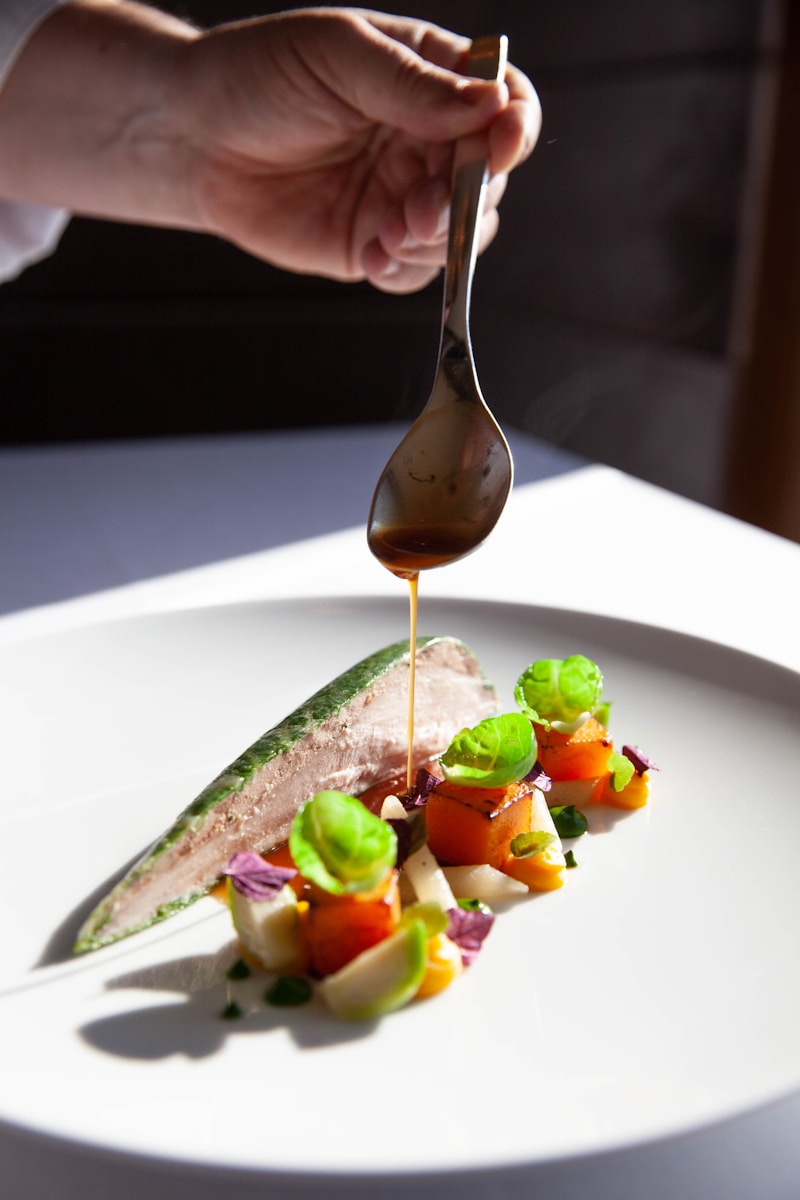
Navigating the World of Michelin-Starred Dining
Michelin stars represent the pinnacle of culinary achievement. Understanding this exclusive world enhances appreciation and helps navigate reservations, etiquette, and expectations at the world’s finest restaurants.
The Michelin System
One star:
“A very good restaurant in its category.” High-quality cooking worth a stop.
Two stars:
“Excellent cooking, worth a detour.” Exceptional food justifying significant effort to visit.
Three stars:
“Exceptional cuisine, worth a special journey.” Perfect cooking, impeccable service, extraordinary wine. Few restaurants worldwide achieve this distinction.
Currently, approximately 135 three-star restaurants exist globally. Earning a star—particularly a third—requires years of relentless excellence.
What Michelin Rewards
Technical perfection:
Flawless execution. Precise cooking temperatures, perfect seasoning, immaculate plating. Michelin inspectors tolerate no inconsistency.
Quality ingredients:
The finest produce, sourced meticulously. Many starred restaurants maintain exclusive supplier relationships or grow their own ingredients.
Creativity:
Innovation within or beyond classical techniques. Molecular gastronomy, traditional elevated to art, or entirely new approaches—originality matters.
Value:
Not merely expense, but value relative to category. A perfect bistro merits stars as much as haute cuisine palaces.
Consistency:
Anonymous inspectors visit multiple times across seasons. Maintaining perfection despite changes in ingredients or staff separates pretenders from stars.
Booking Reservations
Timeline matters:
Top three-star restaurants require booking 2-3 months ahead. Some prestigious establishments (Noma, El Celler de Can Roca) release reservations specific dates—securing them demands precise timing and persistence.
Two-star restaurants typically book 4-8 weeks ahead. One-star establishments often accommodate 2-4 weeks notice.
Cancellation policies:
Many starred restaurants require credit card deposits. Cancellations within 48 hours incur fees, sometimes full menu cost.
Respect these policies—they protect restaurants from no-shows devastating small operations.
Special requests:
Dietary restrictions, allergies, or preferences should be communicated when booking. Starred restaurants accommodate most requests if given notice.
Surprising chefs with complicated restrictions on arrival creates problems for kitchens preparing elaborate tasting menus.
Cost Expectations
One-star restaurants:
Tasting menus: €80-150
Wine pairings: €50-100
Two-star restaurants:
Tasting menus: €150-300
Wine pairings: €100-200
Three-star restaurants:
Tasting menus: €300-500+
Wine pairings: €150-400+
These figures represent base prices. Tax, service, and beverages increase totals significantly. A three-star dinner for two with wine easily reaches €1,500-2,500.
Dress Codes
Three-star establishments:
Jacket required for men, often tie as well. Women should dress equivalently formal.
Some restaurants (Guy Savoy, Le Bernardin) maintain strict formal codes. Others (Eleven Madison Park post-reopening) embrace smart casual.
Two-star restaurants:
Smart casual minimum. Jacket advisable for men, though not always required.
One-star restaurants:
Varies widely. Casual fine in bistro-style establishments. Contemporary restaurants lean formal casual.
When uncertain:
Call ahead. Being overdressed is impossible at Michelin-starred restaurants. Being underdressed is embarrassing and disrespectful.
Understanding the Experience
Tasting menus:
Most starred restaurants offer only tasting menus—5 to 20+ courses. À la carte is rare at two and three-star level.
Portions are deliberately small. The volume across courses is substantial—diners won’t leave hungry despite individual course sizes.
Pacing:
Meals span 2.5-5 hours. Three-star dinners often exceed 4 hours. This isn’t rushed dining—it’s immersive experience.
Arrive relaxed, with nowhere to be afterward. Rushing diminishes the experience restaurants have orchestrated.
Wine pairings:
Sommeliers select wines complementing each course. Pairings elevate tasting menus significantly, though at substantial cost.
Consider pairings investment in complete experience. Wines are carefully chosen and often include rare bottles unavailable by glass elsewhere.
Service style:
Expect theatrical elements—dishes finished tableside, elaborate presentations, detailed explanations. This is dinner as performance art.
Servers anticipate needs unobtrusively. Water glasses never empty. Courses arrive perfectly timed. Crumbs are swept between courses.
Notable Three-Star Destinations
France remains dominant:
27 three-star restaurants. Alain Ducasse at Plaza Athénée, Restaurant de l’Hôtel de Ville (Crissier), Arpège, L’Ambroisie represent French classical excellence.
Japan leads in Tokyo:
12 three-stars in Tokyo alone. Joël Robuchon, Kanda, Quintessence showcase Japanese precision applied to French technique.
United States growing:
The French Laundry (Napa), Eleven Madison Park (New York), Alinea (Chicago) represent American innovation.
Germany’s rising stars:
Vendôme (Bergisch Gladbach), Aqua (Wolfsburg), Victor’s Fine Dining show German technical excellence.
Spain’s molecular masters:
El Celler de Can Roca, Lasarte, Azurmendi continue Spain’s avant-garde tradition.
Etiquette and Expectations
Arrive on time:
Punctuality is non-negotiable. Tasting menus require precise timing across tables. Late arrival disrupts kitchen orchestration.
Photography discretion:
Many restaurants permit photography but expect discretion. No flash. No disrupting other diners. Some establishments prohibit photography entirely.
Device restraint:
Starred dining is about presence. Checking phones constantly shows disrespect to chefs, servers, and fellow diners.
Dress appropriately:
Honour the effort and expense with suitable attire. Starred restaurants represent special occasions—dress accordingly.
Engage with service:
Staff expect questions and conversation. Asking about dishes, techniques, or wine shows engagement and appreciation.
Dietary discretion:
Real allergies require disclosure. Personal preferences (“I don’t like mushrooms”) at tasting menu restaurants creates problems—consider whether tasting menus suit your palate.
Wine Strategy
House sommelier expertise:
Trust sommeliers’ recommendations. They understand the menu intimately and have assembled cellars specifically to complement it.
Budget transparency:
Communicate price comfort levels clearly. Good sommeliers work within any budget, recommending optimal choices.
By-the-glass options:
Many restaurants offer quality selections by glass, providing variety without full bottle commitment or cost.
Special bottles:
Starred restaurants maintain exceptional cellars. Consider splurging on wine unavailable elsewhere—it’s part of the complete experience.
Beyond the Meal
Kitchen tours:
Some restaurants offer kitchen tours post-service. Seeing where magic happens provides fascinating perspective.
Chef’s table:
Kitchen-adjacent tables offer front-row seats to culinary theatre. Book well in advance—these prime seats are highly coveted.
Regional exploration:
Many starred restaurants operate in gastronomically rich regions. Extend visits to explore local food culture, wine regions, artisan producers.
Value Proposition
Is a €400 meal “worth it”? Depends on perspective. You’re paying for:
– World-class ingredients
– Decades of chef training and experience
– Teams of specialized staff
– Hours of preparation per dish
– Theatrical presentation
– Uncompromising excellence
It’s not just food—it’s art, entertainment, and memory creation. Judged purely by caloric intake versus cost, it’s absurd. Judged by complete experience, many find it transformative.
Memorable Over Perfect
The best Michelin experiences blend technical brilliance with warmth and hospitality. Pretentious formality can diminish otherwise perfect cooking.
Seek restaurants where excellence coexists with genuine hospitality. The meal should feel special but not intimidating, celebratory without stuffiness.
Starting Your Journey
Begin locally:
One-star restaurants in your city or region provide accessible introduction to starred dining.
Research thoughtfully:
Understand chefs’ philosophies, specialties, and styles. Choose restaurants whose approach resonates personally.
Save and savour:
Starred dining is expensive. Save for special occasions. Treat it as experience rather than routine meal.
Approach with openness:
Surrender to the experience. Trust the chef. Try unfamiliar ingredients. Engage fully with what’s offered.
Michelin-starred dining represents culinary art at its apex. Approached with appropriate expectations, preparation, and openness, it provides experiences that resonate for lifetimes.
Michelin-starred restaurants offer more than exceptional meals—they provide complete sensory experiences showcasing culinary artistry, technical mastery, and hospitalit excellence.